The Art of Aerating Wine: When and Why You Should Do It
- frederickwineclub

- Sep 16, 2025
- 4 min read
Wine lovers know that enjoying a good bottle is not just about pouring it into a glass. It’s about exploring flavors and aromas. One effective way to enhance your wine experience is through a process called aeration. This practice allows wine to mix with air, enriching its flavors and aromas. But is aeration essential for every bottle? This article will guide you through when and why to aerate wine, so you can savor every sip to the fullest.
What is Aeration?
Aeration means introducing oxygen to wine. This process helps to soften tannins, release flavorful compounds, and improve the overall aroma. You can aerate wine naturally in the glass or use tools like decanters and aerators. The goal is straightforward: let the wine open up, revealing its true character.
Why Aerate Wine?
1. Enhancing Flavor Profiles
Aeration can significantly improve a wine's taste. Many young red wines, especially those high in tannins like Cabernet Sauvignon and Syrah, may initially come across as bitter or harsh. For instance, a young Cabernet Sauvignon can taste too sharp at first. When aerated for about 30-60 minutes, the tannins soften, allowing the rich fruit flavors—like blackberries and cherries—to shine. Research suggests that allowing high-tannin wines to aerate can lead to up to a 20% increase in perceived fruitiness.
2. Revealing Aromas
Exposing wine to air helps release its complex aromas. When you first open a bottle, you may notice that aromas seem muted. By letting the wine breathe, whether in a decanter or glass, you encourage the aromas to develop. For example, a young Pinot Noir can transform from a simple berry scent to a bouquet filled with earthy notes and floral hints when allowed to aerate for an hour.
3. Reducing Sulfur Compounds
Many young wines might carry unpleasant sulfur compounds due to their production methods. Aeration helps to dissipate these odors. For example, a young white wine like a Sauvignon Blanc can sometimes have a rubbery smell. By aerating it for about 20 minutes, it can lose those off-putting scents, providing a cleaner, more enjoyable taste.
When to Aerate Wine
1. Young Red Wines
Young reds are prime candidates for aeration. High-tannin varieties like Nebbiolo and Malbec can drastically improve after 30 to 60 minutes of air exposure. For instance, a young Malbec may taste overly astringent but, after aeration, transforms into a smoother, more balanced experience.
2. Full-Bodied Whites
While it’s less common to aerate white wines, full-bodied types like Chardonnay and Viognier can greatly benefit from it. These wines often have complex flavors where air exposure can reveal notes of vanilla and butter. Allowing a Chardonnay to breathe for about 15-30 minutes can enhance its richness significantly.
3. Older Wines
Older wines often require a gentler approach to aeration. For some, less is more; delicate wines like aged Burgundy can become overpowered with too much oxygen. Decanting these wines and letting them breathe for just 15 minutes can be sufficient to enjoy their intricate flavors without losing their elegance.
How to Aerate Wine
1. Decanting
Decanting is a well-known way to aerate wine. Pouring wine from the bottle into a decanter increases its surface area, promoting air exposure. Ideally, let the wine sit in the decanter for at least 30 minutes. For example, a robust red wine like a Barolo can greatly benefit from this method.
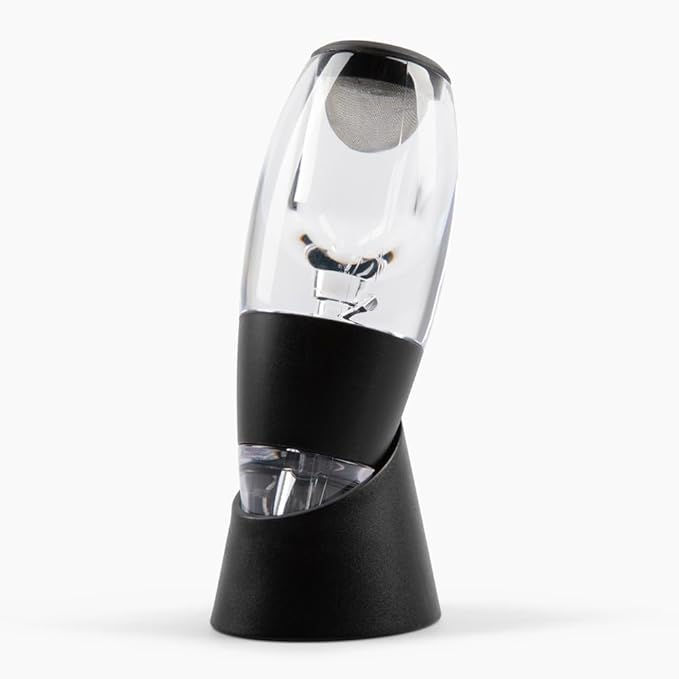
2. Using an Aerator
Wine aerators are handy devices that accelerate the aeration process. They work by creating a flow through small openings, mixing the wine with air as it pours. This is excellent for those who want immediate enjoyment. A quality aerator can reduce waiting time by about 60%, so you can enjoy your drink sooner.
3. Swirling in the Glass
If you want a quick and easy method, try swirling the wine in your glass. This simple act introduces air while releasing aromas. For example, a quick swirl of a robust red can reveal its full fragrance almost instantly, making it perfect for casual gatherings.
Common Misconceptions About Aeration
1. All Wines Need Aeration
It’s a common belief that all wines should be aerated. While many young reds and full-bodied whites do, delicate wines like older Pinot Noirs may not need that extra air. Too much exposure can diminish their delicate flavors instead of enhancing them.
2. Aeration Only Applies to Red Wines
It’s easy to forget that not just red wines benefit from aeration. Full-bodied white wines can also gain complexity when allowed to breathe, unlocking additional layers of flavor and aroma.
3. Longer is Always Better
There’s a misconception that longer aeration means better wine. This isn’t true for all wines. Some older wines can spoil if exposed to air too long, leading to a flat taste. A gentle touch is key; sometimes just a short period is enough to enjoy the wine’s full character without losing its charm.
Looking for a Great Aerator?
Final Thoughts
Knowing how and when to aerate wine can transform your tasting journey. By understanding the unique needs of different wines, you can unleash their full potential. Whether you choose to decant, use an aerator, or simply swirl your glass, pay attention to each wine's characteristics. With a bit of practice, you can elevate your wine experience and create memorable moments with every bottle.


Comments